Blockchain for IoT
A blockchain framework that makes IoT networks secure, scalable and frugal with energy.
Visit doi.org/10.5815/ijeme.2025.05.05IoT devices are too constrained for conventional security, centralised security has a single point of failure, and proof-of-work blockchains are too slow and too hungry for networks of millions of sensors. This paper, published in the International Journal of Education and Management Engineering, proposes a framework that keeps blockchain's guarantees without those costs.
- transactions per second
- 2,500
- median latency
- 850 ms
- of transaction data kept off-chain
- 99.8%
- uptime during DDoS attacks
- 99.7%
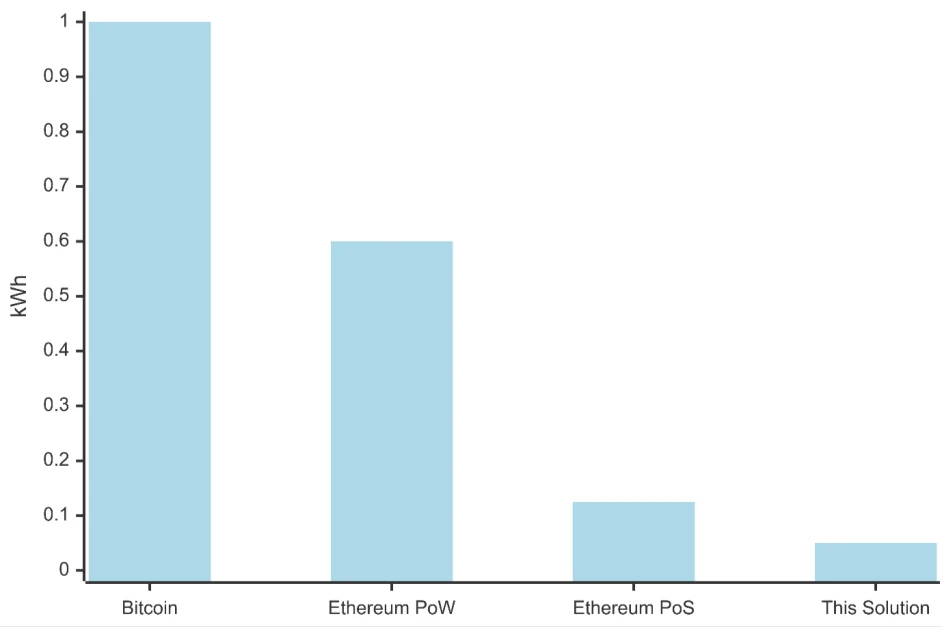
- less energy than proof of work
- 95%
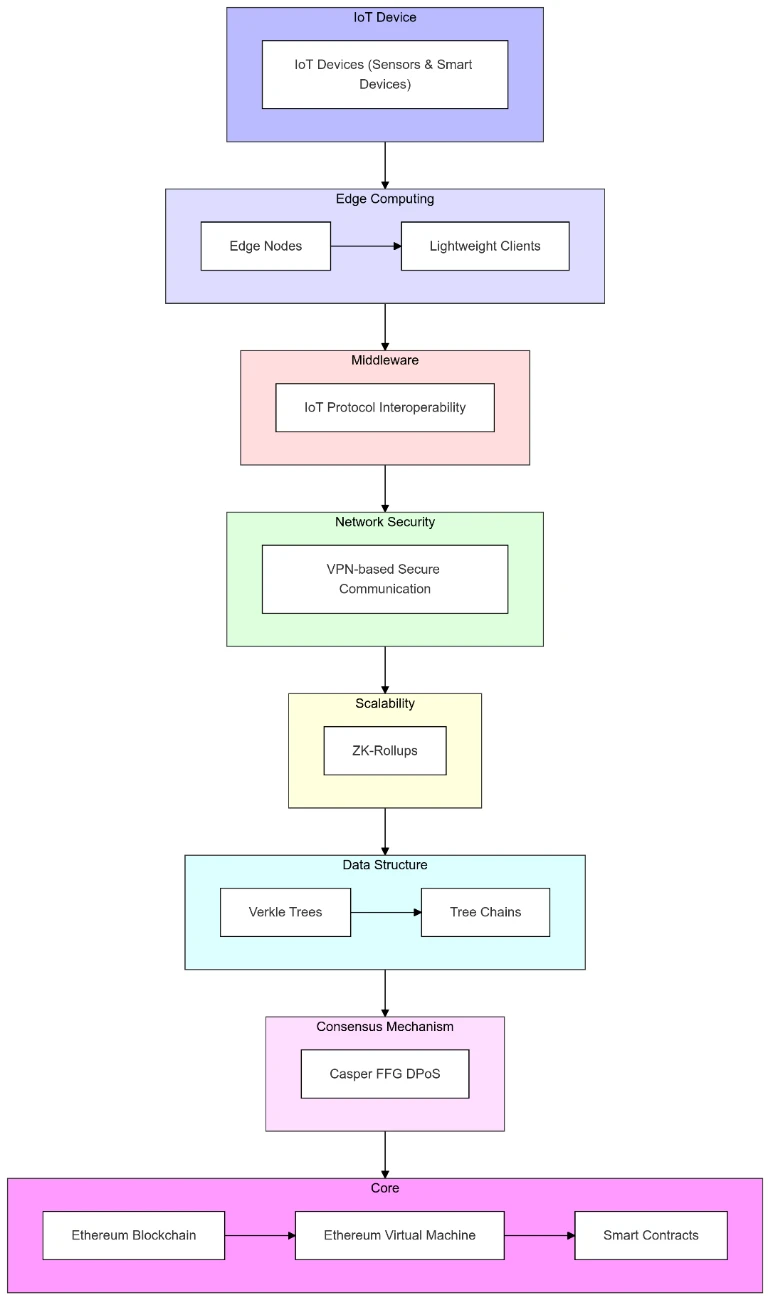
Eight layers, device to chain
IoT devices hand their data to edge nodes and lightweight clients; middleware makes their protocols interoperable; VPN-based communication secures the network; ZK-Rollups carry the load off the main chain; Verkle trees and tree chains keep the data structures small; Casper FFG with delegated proof of stake reaches consensus; and Ethereum, its virtual machine and smart contracts sit at the core.
What the tests showed
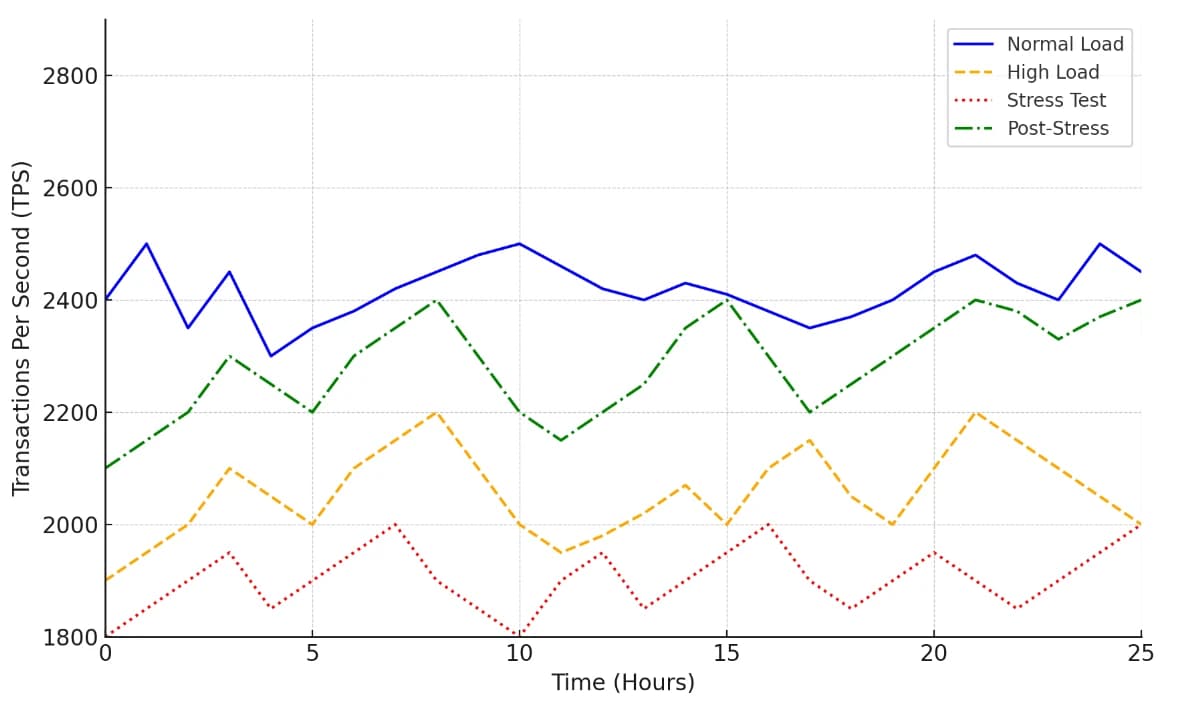
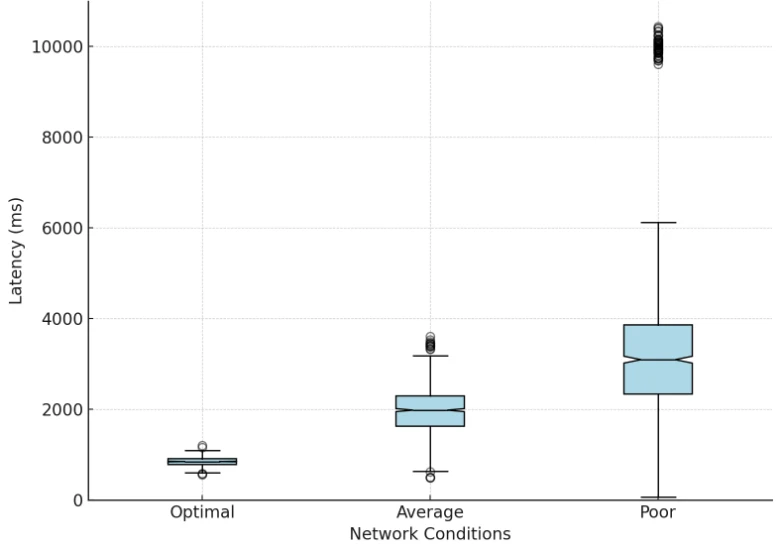
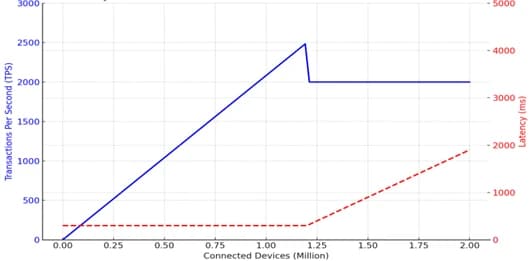
Throughput held through 25 hours under normal, high and stress loads. Latency was lowest and tightest on good networks and widened as conditions degraded. Throughput grew linearly to about 1.2 million connected devices before levelling off near 2,000 transactions per second as latency began to climb.
In use: a million meters
Picture a utility with a million smart meters. Each meter hands its readings to an edge node nearby rather than to the chain. ZK-Rollups batch those readings into proofs, so almost all of the data stays off the main chain, and the network agrees on each batch by delegated proof of stake instead of mining. The meters stay small and cheap, and the record stays tamper-evident.
An illustration of where the framework fits, not a deployment.
Figures from the paper, published open access under CC BY 4.0. Oyenuga, Ubochi, Onuoha and Nwulu, IJEME Vol. 15 No. 5 (2025), pp. 53 to 62.